
If you’ve applied for jobs recently and noticed that the process feels different — more automated, harder to personalize, less like your application is being read by a human — you’re not wrong. AI has fundamentally changed the hiring funnel, and it’s changed it in both directions: how companies find and evaluate candidates, and how job-seekers navigate the process.
What’s Actually Happening to Your Resume
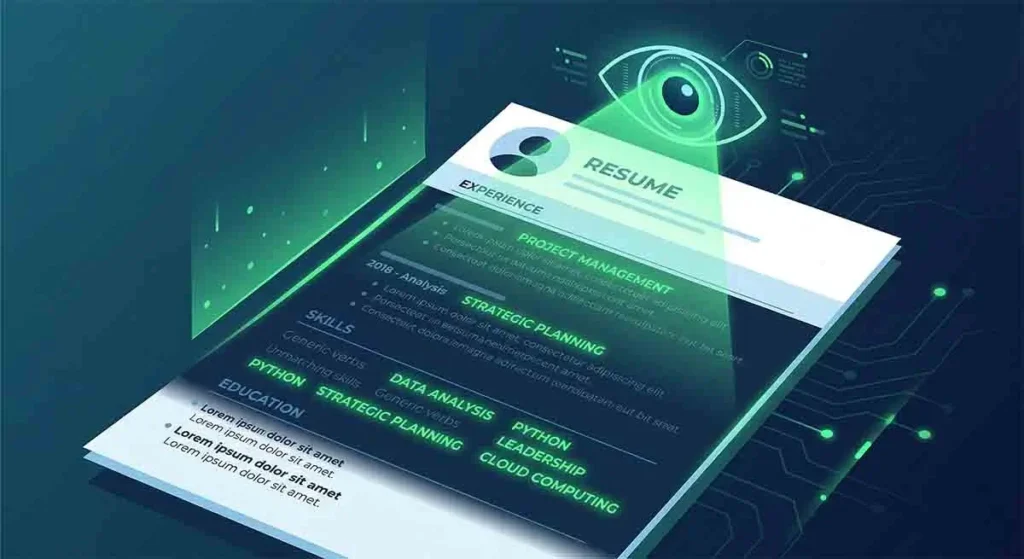
Applicant Tracking Systems (ATS) have existed for years. What’s new is the AI layer on top — modern systems don’t just keyword-match; they use natural language processing to assess resume quality, calculate match scores against job descriptions, and in some cases generate candidate summaries for hiring managers who never read the original document.
The practical implication: a resume that doesn’t align closely with the language of the job description will score poorly on AI matching — even if the candidate is highly qualified. Systems are looking for specific phrases, not general competence. Mirror the language of the job description deliberately.
AI-Assisted Interviews
A significant percentage of large companies now use AI-assisted screening interviews — either fully automated video interviews analyzed by AI (HireVue-style), AI-scored phone screens, or AI-assisted evaluation of live interview responses. Candidates are being evaluated on: speech patterns, word choice, facial expression analysis (in video formats), and content matching against pre-defined competency frameworks.
Tips that help in AI-screened formats: structured, clear responses (STAR format — Situation, Task, Action, Result — performs well because it’s easy to parse); specific, quantified achievements; and avoiding excessive filler language which some systems score negatively.
How Smart Applicants Are Using AI
- Resume optimization: Using AI to tailor resume language for each application based on the specific job description. Not fabricating experience — aligning how existing experience is described.
- Cover letter drafting: AI first drafts, human editing for voice and specificity.
- Interview prep: AI-generated practice questions based on the job description and company, with simulated interview practice.
- Company research: AI-assisted synthesis of publicly available information about company culture, recent news, and role-specific context before interviews.
The Risks of Over-Relying on AI in Your Job Search
Entirely AI-generated application materials have a homogeneous quality that sophisticated hiring managers recognize. Volume of applications has increased dramatically as AI lowered the effort barrier — which means the average quality signal in any application pile has decreased. A genuinely personalized, human-written application now stands out more than it did before AI.
What Still Works — The Human Advantage
The stages of hiring that AI cannot replicate: the informal network referral (being known to someone inside the organization is more valuable now, not less, because it bypasses the AI screening layer entirely), the interview moment of genuine human connection, and the ability to speak specifically and authentically about your experience in ways that demonstrate real knowledge. These things get you hired. AI gets you through the screen to the point where they matter.


Leave a Reply