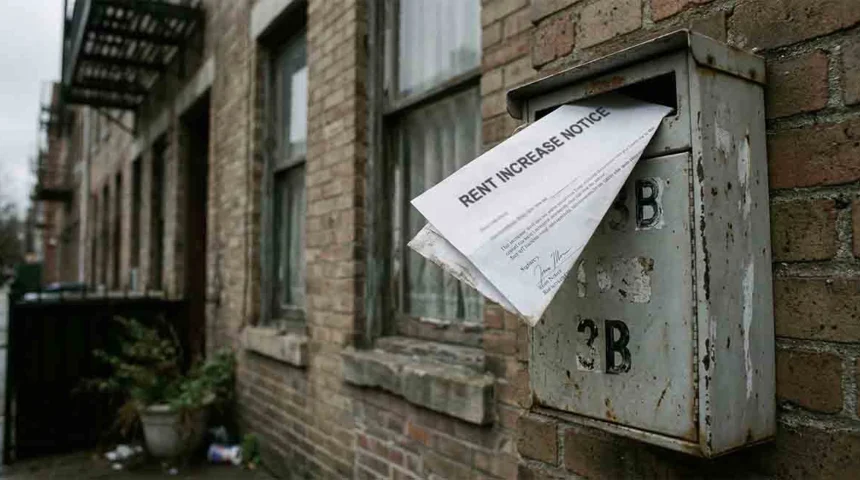
Your bathroom faucet has been dripping for eight months. The heating is inconsistent. The hallway light has been out for six weeks. And last Tuesday, you got a notice that your rent is going up $175/month.
This feels outrageous — and yet it’s completely legal in most of the United States. Understanding why requires understanding how rental markets actually work, as opposed to how most renters assume they work.
The Market Rate Disconnect
In most of the United States, rent is not regulated by the condition of the unit. It’s regulated (or more accurately, set) by market demand. If comparable units in your area are renting for $200 more per month than you’re currently paying, your landlord has a legal right — in most states — to raise your rent to that market rate at the end of your lease term.
Your experience of the unit — the dripping faucet, the inconsistent heat, the broken hallway light — is legally separate from the rent-setting process in most jurisdictions. The landlord can raise rent regardless of deferred maintenance, provided they’re meeting the legal minimum standard of habitability.
This legal separation feels wrong. But it’s how most American rental law works. The fix is either rent stabilization law (which most states don’t have) or the tenant’s ability to move (which is increasingly impractical).
What Landlords Are Actually Paying For
This doesn’t excuse poor landlord behavior, but understanding the other side is useful:
- Property taxes have increased sharply in most markets as assessed values rose with home prices — often 15–30% higher than five years ago.
- Insurance premiums for landlords have risen dramatically, especially in climate-exposed regions.
- Mortgage costs for landlords who purchased recently are significantly higher than pre-2022 rates.
- Maintenance and repair costs have risen with inflation — labor and materials are both more expensive.
Some rent increases reflect genuine cost pass-throughs. Others reflect pure opportunism in a market where demand exceeds supply. Often it’s both simultaneously.
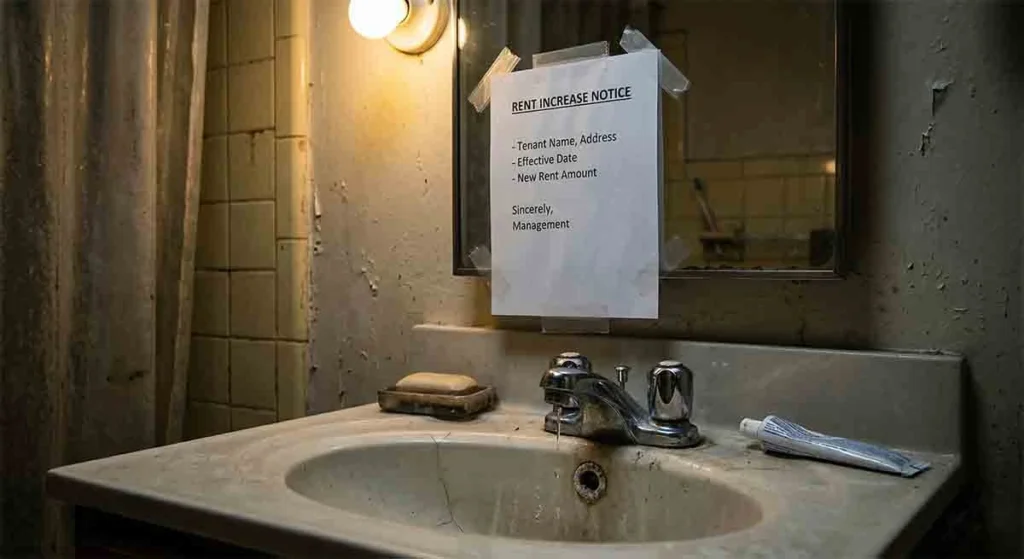
What’s Legal — and What Isn’t
Key legal points most tenants don’t know:
- Notice requirements: Most states require 30–60 days written notice before a rent increase takes effect. Some states require more. Receiving proper notice is a legal requirement, not a courtesy.
- Mid-lease increases: If you have a fixed-term lease, your landlord generally cannot raise rent during that term. Only at renewal.
- Habitability law: Your landlord is legally required to maintain the unit in a habitable condition — functioning heat, plumbing, structural integrity. If they’re failing to do this AND raising rent, you may have the basis for a rent withholding or repair-and-deduct strategy in many states.
- Retaliation protection: In most states, if you reported a code violation and then received a rent increase shortly afterward, that increase may be legally challengeable as retaliatory.
How to Push Back Without Losing Your Housing
- Document everything in writing. Every maintenance request, every communication with your landlord. Email creates a timestamped paper trail that text messages don’t reliably provide.
- Research comparable rents. If the increase puts you above market rate for comparable units, that’s negotiating leverage. Landlords prefer stable, rent-paying tenants over vacancy and turnover costs.
- Negotiate the increase directly. Many landlords will reduce or phase in an increase for a reliable tenant rather than risk vacancy. “I’d like to stay, and I’m willing to sign another 12-month lease if we can settle on X” is a more powerful position than most tenants realize.
- File a formal maintenance complaint. Contact your local housing authority or code enforcement with documented issues. This creates official record and, in states with habitability protections, gives you legal standing.
Tenant Protections by State
Rent stabilization laws exist in: California (many cities), New York, New Jersey, Oregon, Maryland, and a small number of other jurisdictions. In these areas, rent increases are capped and landlords must meet additional standards for increases. In the remaining ~45 states, landlords have broad freedom to increase rent to market rate at lease renewal.
Regardless of location, habitability law, notice requirements, and retaliation protections apply almost universally. Knowing your specific state’s tenant rights is the most important thing you can do — tenant rights organizations in most major cities offer free advice.


Leave a Reply