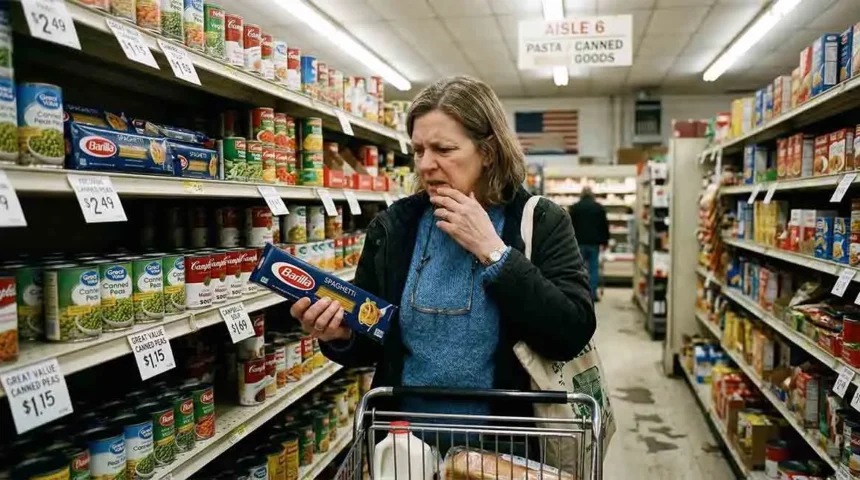
In big cities, a tariff-driven price increase on canned tomatoes might barely register — there are enough competing stores and suppliers to absorb or spread the cost. In a small town with one grocery store, there is no competition to absorb anything. The price goes up. You pay it, or you drive 40 miles.
This is the hidden geography of tariff pain. It falls hardest on Americans with the fewest options.
What Is a Tariff, Actually?
A tariff is a tax imposed by the U.S. government on goods imported from other countries. It’s paid by the American company that imports the product — not by the foreign company that makes it. That American importer then passes the cost forward through the supply chain: to distributors, to retailers, and ultimately to you at checkout.
When politicians say tariffs make foreign companies “pay more,” that’s misleading. In practice, tariffs raise costs for American businesses and American consumers. The debate is about whether those costs are worth the strategic benefits — but the costs themselves are not in dispute among economists.
The Supply Chain Delay Effect
Tariff price increases don’t hit overnight. There’s usually a 3–9 month lag as existing inventory at pre-tariff costs gets worked through the system. This is why consumers often don’t feel tariff increases immediately — and why the sticker shock tends to arrive later, seemingly out of nowhere.
By early 2026, the tariffs imposed or expanded since 2025 are fully working through the supply chain in most product categories. The delay is over. The price reality is what you’re seeing at the shelf now.
Which Grocery Products Are Most Affected
Not all grocery items are equally tariff-exposed. Items most affected include:
- Canned goods and preserved foods — Many rely on steel cans (steel tariffs) and imported ingredients.
- Coffee and cocoa products — Both are imported commodities that flow through tariffed supply chains.
- Cooking oils — Olive oil, certain vegetable oils, and specialty oils are heavily imported.
- Fresh produce in off-seasons — When domestic supply is low, imported produce fills the gap — at tariff-adjusted prices.
- Appliances used in food prep — Indirect but real: a dishwasher that costs more due to steel tariffs is a household cost increase.
- Packaged goods with imported inputs — Many processed foods contain ingredients sourced globally.
Why Small Towns Get Hit Harder
Urban consumers have options that rural consumers don’t:
- Multiple grocery stores competing on price
- Discount retailers (Aldi, Lidl, Costco) often concentrated in suburban/urban areas
- Farmers markets and direct-source options
- More diverse supply chains that can route around tariffed goods
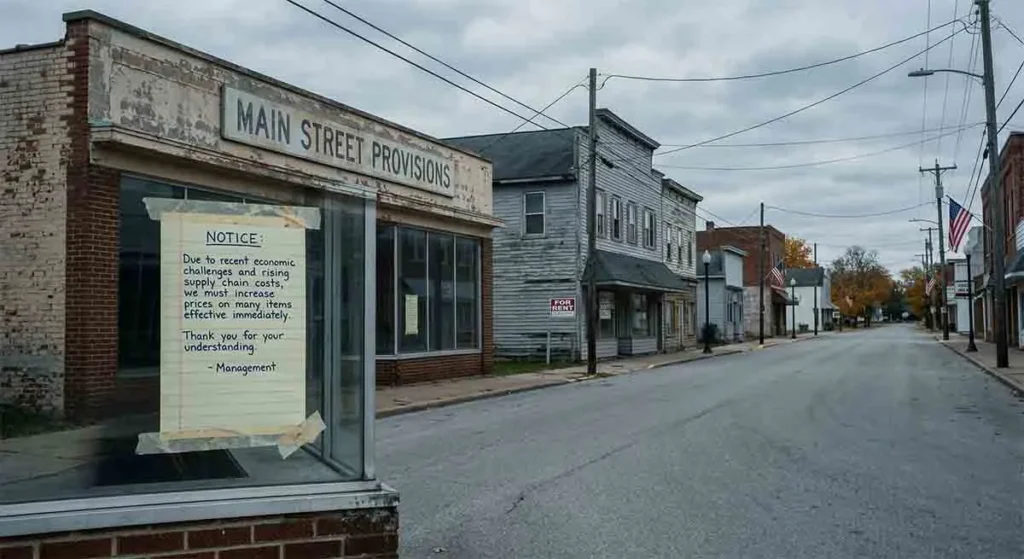
A rural family whose nearest grocery store is a single regional chain has no price competition in their market. That store can pass through every cost increase with minimal customer defection — because where else are you going?
Practical Steps for Your Shopping Budget
- Buy shelf-stable goods in bulk when prices are lower. Beans, lentils, rice, pasta — items with long shelf lives are worth buying ahead when cost spikes are predictable.
- Shift toward less tariff-exposed proteins. Eggs and domestically produced chicken are less tariff-exposed than many imported seafood and specialty protein products.
- Check regional food banks and community co-ops. These have expanded significantly and are not just for families in crisis — they’re community resources many working families qualify for.
- Buy directly from local farms when possible. CSA boxes and local farmers markets bypass import-dependent supply chains entirely.
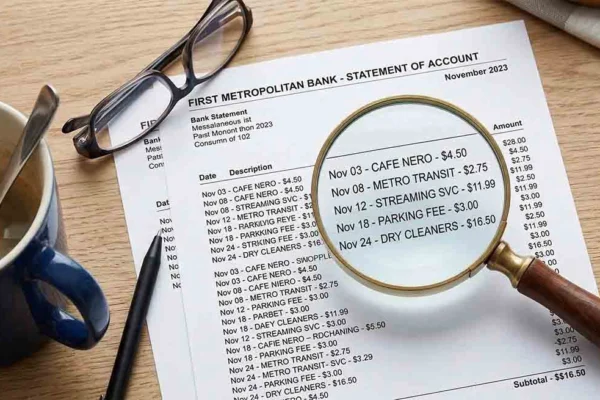
- Track your grocery spend monthly. Most people don’t know their grocery baseline. You can’t fight cost creep you’re not measuring.


Leave a Reply